

During upload
Be a Rain Saver: The magic of rain gardens in urban stormwater management
Effective management of stormwater in urban environments is key to protecting the built environment and reducing the risk of flooding. Solutions based on natural drainage, such as rain gardens, offer an innovative and sustainable way to treat rainfall not as an enemy but as a valuable resource. A rain garden is a shallowly dug area planted with plants that can drain and absorb rainwater. This means that water does not immediately run off asphalt or concrete surfaces, but infiltrates gradually into the ground, reducing the overloading of drainage systems and the risk of flooding. Rain gardens can even be used to recycle rainfall locally, as it is incorporated into groundwater reserves and recharged into local vegetation.

Why is a rain garden useful?
How can you be a Rainmaker?
You can create a rain garden in the garden of a family home, in a condominium courtyard or in a public space with minimal investment. All you need is a suitable space, some water-loving plants and a little planning. By participating in the “Be a Rain Saver” campaign, you are not only beautifying your environment, but also actively contributing to sustainable urban development.

Estimate the rain!

TV18: A hirtelen jött villámárvizek ellen a “Life in RUNOFF – Városi Eső” projekt
Európai Uniós mintaterület lett a 18. kerület Szent Imre kertvárosban található Kolbányi utca, a nemrégiben megvalósított Városi Eső projektnek köszönhetően.

Ami most történt, a jövőt vetíti előre: Hogyan lehet védekezni a hirtelen lezúduló eső okozta áradások ellen a városokban?
Az elmúlt hetekben Budapestet és Magyarország több területét súlyos áradások sújtották a hirtelen lezúduló csapadék miatt. A főváros különösen érintett, ahol több kerületben is komoly problémákat okoz és okozott a villámárvíz. Az áradás miatt harmadfokú árvízvédelmi készültséget rendeltek el, az alsó rakpartot lezárták, a közlekedést több helyen át kell szervezni, érintett a HÉV, a 2-es metró és több villamosvonal is. De miért történik mindez?
Egy kis […]

A designer, aki szivaccsá varázsolja a városokat
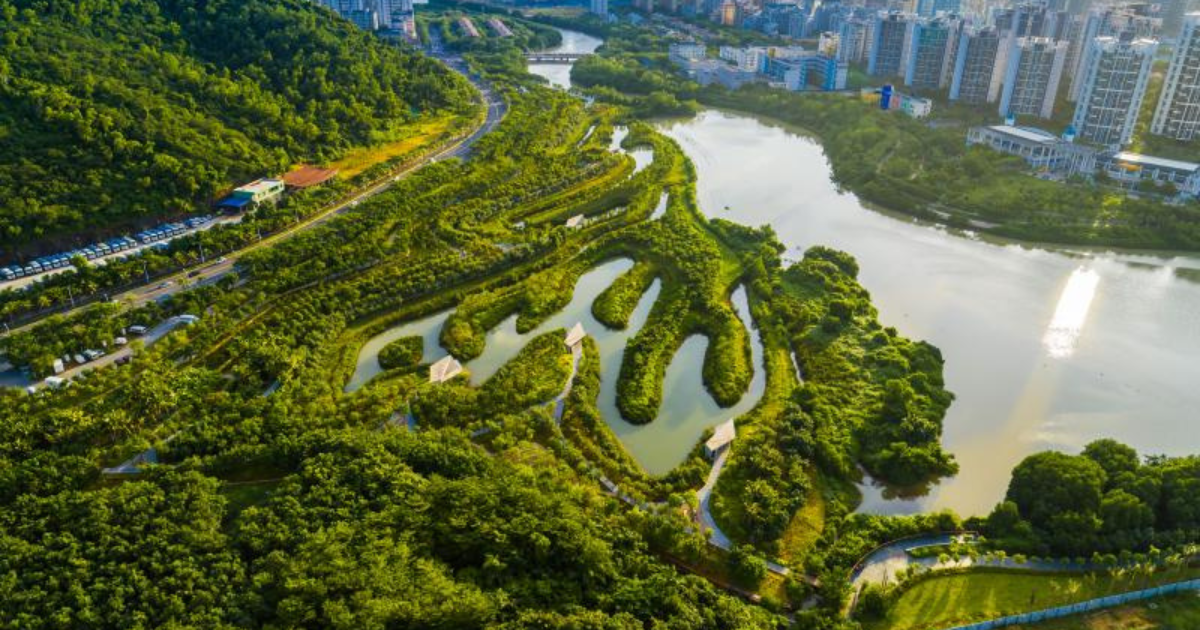
Kongjian Yu úttörő szerepet játszott Kína „szivacsváros” koncepciójának kialakításában – kevesebb beton és több zöldterület, a csapadékvíz kiaknázása, az ellene való küzdelem helyett. A jó példát több metropolisz is követi szerte a világon. A szivacsvárosokkal kapcsolatos munkájáért Yu nemrég elnyerte a Kulturális Táj Alapítvány Oberlander-díját.